A market in motion – and in the buyer's favour
After seven years of rising premiums, the tide has turned. Global commercial insurance premiums fell 4% in Q4 2025 according to Marsh – the sixth consecutive quarter of decline. For business leaders, that means one thing: now is the time to renegotiate.
But cheaper premiums are only half the story. New risks like AI, climate change and geopolitical instability are fundamentally changing what companies need to insure against. Here are the key trends you should know.
Premiums are falling – but not everywhere
The market is differentiated. Property insurance and D&O insurance (directors' and officers' liability) are seeing the largest drops, with premium reductions of 10-30% compared to the peak. Reinsurance capital has reached record levels of $760 billion, pushing prices down.
But there are exceptions:
- Commercial motor/fleet insurance – premiums continue to rise 9-12%, driven by increasing claims costs
- Workers' compensation – stable premiums but rising claims payments
- Specialty lines – cyber risk and climate coverage are rising in price due to increased loss frequency
AI has jumped from no. 10 to no. 2 on the risk list
The Allianz Risk Barometer 2026 shows the largest jump in the report's history: AI has risen from 10th to 2nd place as a global business risk in just one year. 32% of all risk managers now cite AI as a top risk.
What concerns companies?
- AI-generated cyber attacks that are harder to detect
- Liability for decisions made by AI systems
- Deepfakes and AI-driven fraud against businesses
- Dependency on third-party models and AI providers
Cyber risk remains no. 1 – with a record margin
For the fifth consecutive year, cyber risk is the largest global business risk. In 2026, 42% of all respondents cite cyber as a top risk – the highest score ever, with a 10 percentage point margin to number two.
This is not surprising. Ransomware attacks now cost an average of $4.8 million per incident, and recovery time has increased to an average of 24 days. For medium-sized and large companies, cyber insurance is no longer an optional add-on – it is a necessity.
Climate losses hit $100 billion for the sixth year running
Insured climate losses have exceeded $100 billion every year since 2020. In the first half of 2025 alone, the figure was $80 billion – nearly double the 10-year average. Severe thunderstorms have overtaken hurricanes as the most expensive insured climate risk of the 21st century.
For Danish companies, this means:
- Rising property insurance premiums – particularly for businesses in coastal areas and low-lying urban zones
- Insurers are increasingly requiring documented contingency plans as a condition of coverage
- New EU requirements for natural catastrophe coverage may affect premium levels for all commercial properties
Supply chain risk is not going away
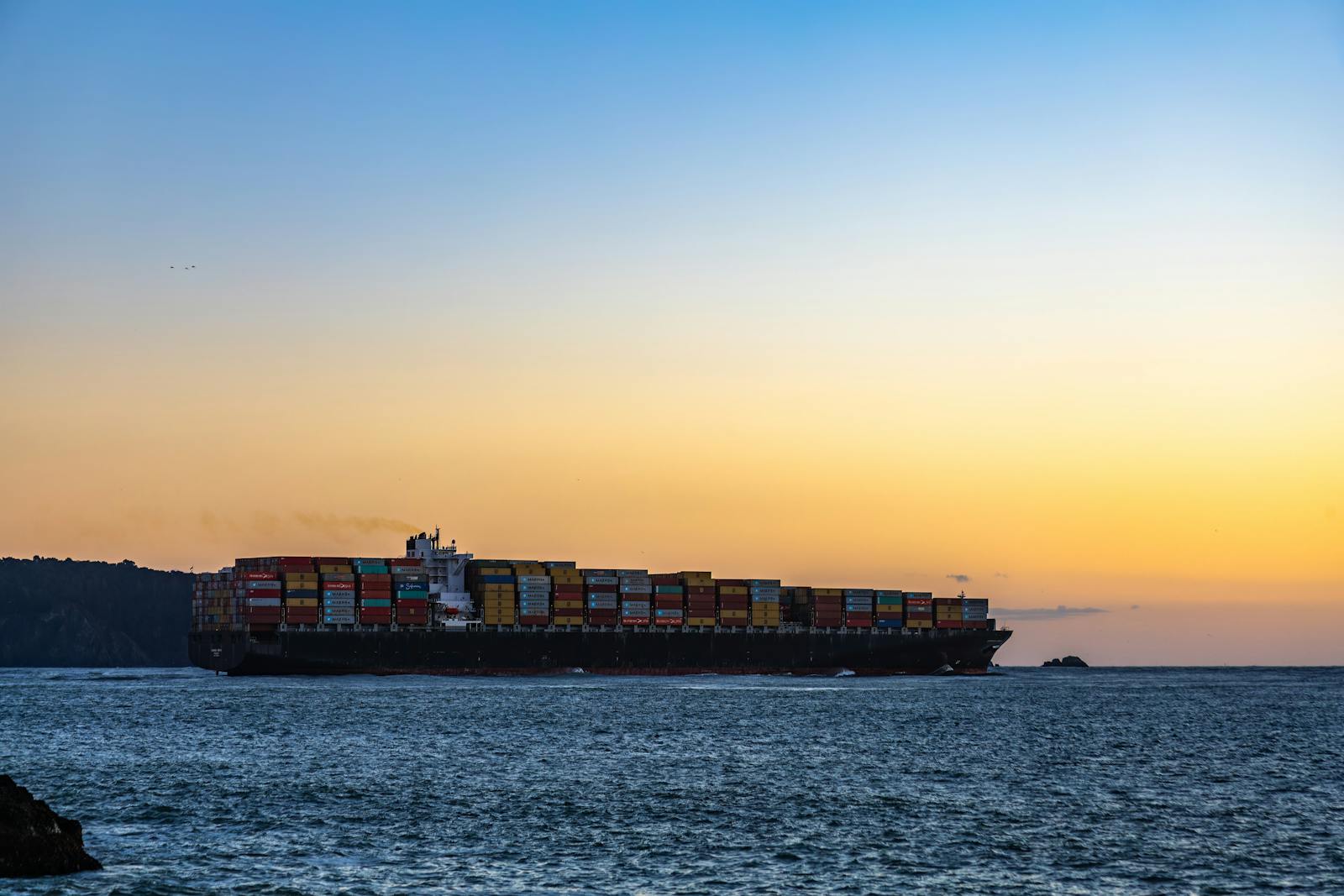
Business interruption (BI) remains the third-largest global risk. Geopolitical instability, trade wars and climate events create persistent uncertainty in global supply chains. Insurers now require companies to document contingency plans and maintain redundancy in their supply chain.
Contingent Business Interruption (CBI) insurance – covering losses caused by disruptions at your suppliers – is one of the fastest-growing products in the market.
What should you do as a business leader?
- Renegotiate now – the market favours buyers for property, D&O and general liability
- Review your cyber coverage – ensure it addresses AI-driven threats
- Assess climate risk – is your property insurance sufficient for flooding and extreme weather?
- Consider CBI insurance – are you protected if a key supplier is disrupted?
- Use data – systematic claims recording provides negotiating leverage
- Use an independent broker – an insurance broker works for you, not the insurer, and can secure the best terms across the market
Need expert advice? Contact Henrik Bronée at hb@fairside.dk or call +45 22 68 86 96 for a no-obligation review of your insurance programme.