What has happened?
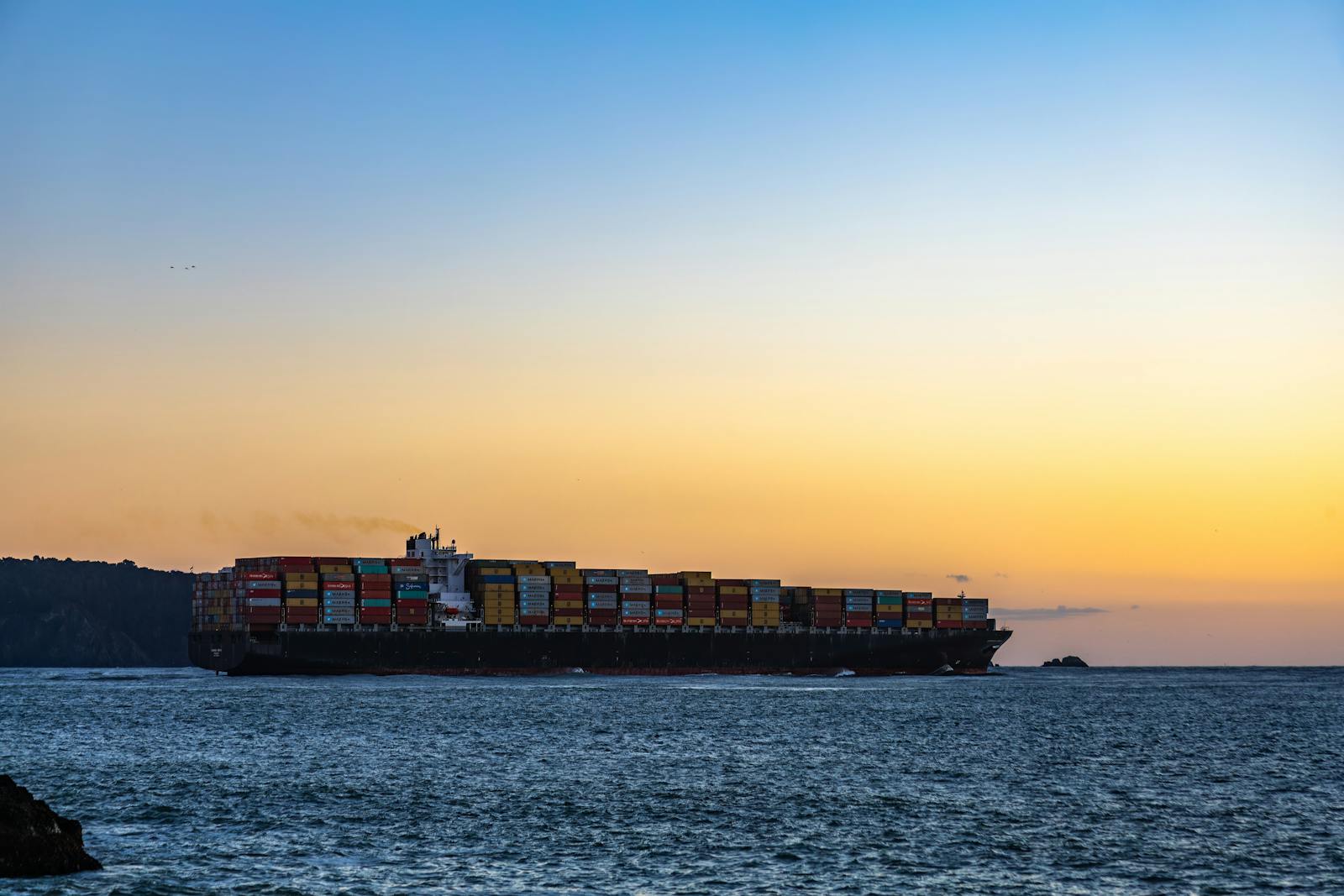
On 28 February 2026, the US and Israel launched coordinated strikes against Iran. The Strait of Hormuz – through which 25% of the world's oil and 20% of all LNG passes – effectively closed on 4 March. Around 2,000 vessels are stranded, Maersk has suspended sailings in the Gulf, and the conflict is described as the biggest threat to global supply chains since COVID-19.
Denmark's central bank estimates the war will cost the Danish economy up to DKK 13 billion. Oil prices have risen above $100 per barrel, diesel is over DKK 19/litre, and air freight has increased 40% in one week.
For Danish companies, the impact comes through three channels: energy prices, freight costs and tighter financial conditions.
Do you have employees in the Middle East?
The Danish Foreign Ministry advises against all travel to Iran and has temporarily closed the embassy in Tehran. Nearly 9,000 Danes have been contacted by Citizen Services in connection with airspace closures.
What you need to know about travel insurance:
- Was the employee already travelling when the conflict broke out? Then travel insurance typically covers – including evacuation, extra hotel and meals
- Is the employee travelling to an area with an active travel advisory? Then coverage is limited or void
- Standard travel insurance excludes war. But most Danish insurers cover evacuation if war breaks out while you are present
- Coverage lasts up to one month after the conflict breaks out, provided the employee does not actively participate
Do you have expatriate employees? Standard travel insurance is not sufficient. You need expatriate insurance specifically covering longer stays abroad. Workers' compensation for temporarily posted employees covers up to 12 months.
The Confederation of Danish Industry emphasises that companies have a legal, moral and ethical duty of care for employee safety abroad. This includes risk assessment, contingency plans and access to 24/7 evacuation assistance.
Freight and supply chains
The consequences for freight are massive:
- Freight rates via the Africa route are 300% more expensive than the Suez route
- Container surcharges up to $3,500 per container
- Ship insurance has quadrupled
- 10-14 extra days of transit time via the Cape of Good Hope
- Over 200,000 containers are stranded in the Persian Gulf
Your insurance likely has gaps
Most commercial insurance policies contain war exclusions. This means:
- Property insurance typically does not cover damage from acts of war
- Business interruption insurance often requires physical damage as a trigger – pure delay is rarely covered
- Transport insurance may have limitations in war zones
- Cyber insurance may exclude state-sponsored attacks under "acts of war" clauses
Force majeure and contracts
The Danish Chamber of Commerce has issued guidance on whether the conflict constitutes force majeure – relevant for companies with fixed prices and delivery times that cannot be met. The answer depends on contract wording, but in many cases the conflict may qualify.
What you should do now
- Employees in the region – check travel insurance, consider evacuation, ensure access to crisis support
- Review your policies – find war and force majeure exclusions in property, business interruption and transport insurance
- Supply chain – map which suppliers and routes are affected, and whether you have coverage for indirect losses
- Cybersecurity – strengthen preparedness, as Iranian cyber attacks have intensified
- Contact your insurance broker – terms are changing daily, and your coverage may have gaps you are unaware of