Climate is changing the rules for commercial insurance
$100 billion. That is the amount the insurance industry has paid out in climate-related claims every single year since 2020. In the first half of 2025 alone, the figure was $80 billion – nearly double the 10-year average. The numbers come from Aon's annual climate report, and the trend is clear: climate losses are growing 5-7% annually in real terms.
For Danish companies, these are not abstract numbers. Over DKK 3 billion in climate-related damages hit Denmark in 2023 alone. Cloudbursts, flooding and storms have become more frequent and intense, and insurers are adapting.
The insurance gap: 80% of climate losses are uninsured
Here is the number that should concern every CFO: in Europe, only about 20% of economic climate losses are insured. That means companies themselves bear 80% of the bill when climate events strike.
Between 1981 and 2023, the EU experienced climate-related losses of EUR 900 billion. The majority landed on the accounts of companies and citizens. The EU's insurance supervisor EIOPA and the European Central Bank proposed in December 2025 an EU scheme to close this insurance gap.
What climate risk concretely means for your company
1. Rising property insurance premiums
Insurers are now pricing climate risk in far greater detail. Companies with properties in flood-prone areas, near coastlines or on low-lying terrain are experiencing significantly higher premiums. Some insurers are withdrawing entirely from high-risk geographies.
2. Stricter requirements from insurers
It is no longer enough to simply have insurance. Insurers increasingly demand:
- Documented contingency plans for climate events
- Physical adaptations (flood barriers, improved drainage, reinforced roofing)
- Regular risk assessments of properties
- Data on historical claims and preventive measures
3. Supply chain disruptions
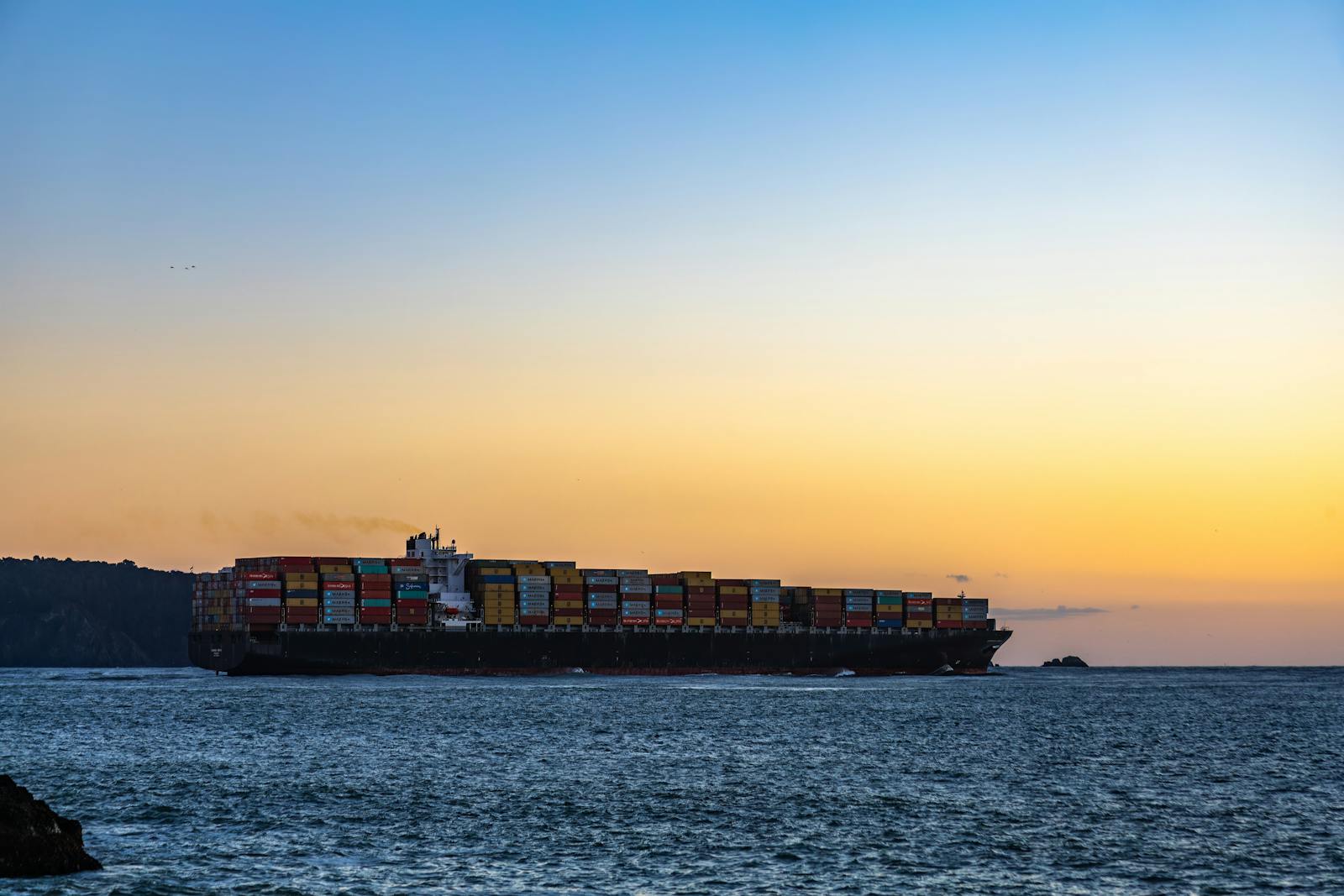
Climate risk is not just about your own buildings. When a supplier in Southeast Asia is hit by flooding, or a port in Northern Europe closes due to storm surge, you feel the consequences on your bottom line.
Business interruption from supply chain problems is according to Allianz the third-largest global business risk in 2026. And traditional property insurance rarely covers losses caused by disruptions at your suppliers.
New EU requirements on the way
The EU is actively working to close the insurance gap. A new regulatory proposal contains requirements for mandatory natural catastrophe insurance for companies with turnover exceeding EUR 500,000. Implementation is already underway:
- Large companies: From March 2025
- Medium companies: From October 2025
- Small companies: From January 2026
What you should consider now
Review your property insurance
Does your policy adequately cover cloudbursts, flooding and storm damage? Many policies have exclusions or sublimits that can leave you with an unexpected bill.
Consider Contingent Business Interruption (CBI)
CBI insurance covers the loss you suffer when a supplier, customer or other key partner is affected by an event. It is one of the fastest-growing insurance products in the market – and with good reason.
Look at parametric insurance
Parametric insurance pays out automatically when a predefined parameter is exceeded – for example, a specific rainfall amount or wind speed. There is no lengthy claims process. It can be an effective supplement to traditional insurance.
Document your prevention efforts
Companies that invest in climate adaptation – flood barriers, improved drainage, backup power supply – achieve better insurance terms. Document the investments and present them at policy renewal.
Climate risk is a financial risk
Climate change is altering the terms of commercial insurance. Premiums are rising in exposed areas, insurers are imposing stricter requirements, and new EU rules are making climate insurance mandatory. But companies that act proactively – with prevention, better data and the right coverage – can navigate the challenges and avoid the worst surprises.
Contact Niels Ulrich at nu@fairside.dk or call +45 40 74 08 11 for a review of how climate risk affects your company's insurance portfolio – and what you can do about it.